Property for sale across the Mont Blanc massif is varied, ranging from small apartments to large chalets. Buyers come for different reasons: a primary residence, a holiday home or an investment.
The Mont Blanc massif: Chamonix to Megève
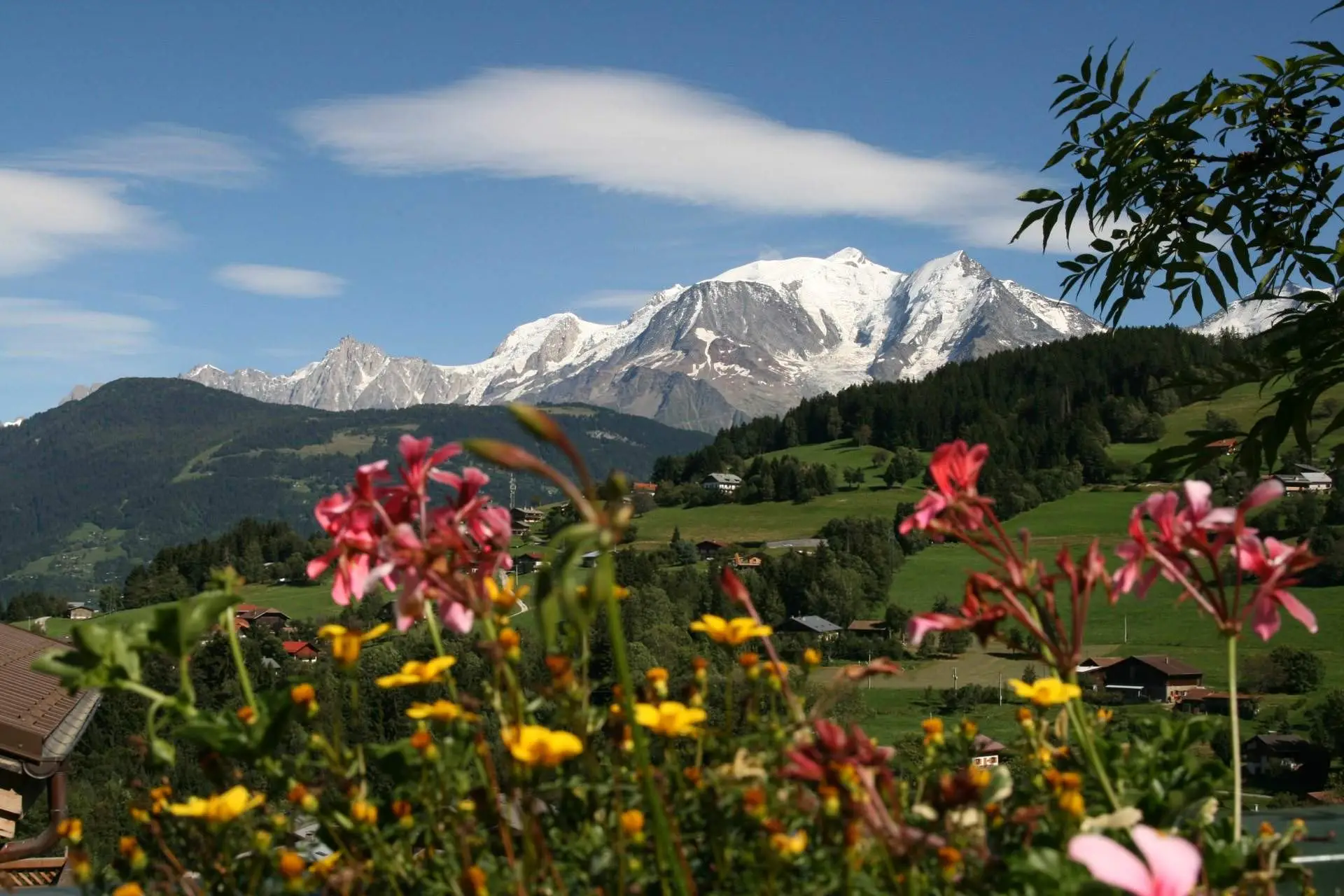
The massif lies at the eastern edge of the French Alps, on the border with Italy and Switzerland, around an hour from Geneva airport. Chamonix-Mont-Blanc sits at the head of the Chamonix valley, with hamlets and villages such as Argentière, Les Praz, Les Houches and Servoz close to the town. Out of the valley are Passy, Saint-Gervais and Les Contamines, while Megève and Combloux sit on the quieter western side. A number are working towns and villages in their own right rather than a single resort.
Chamonix is a place where people live year round. It has around 9,000 residents, roughly half of whom own their homes, which sets it apart from purpose-built resorts where most property stands empty midweek. Its shops, services and amenities stay open through the year, not just in the winter season. Megève has a different character again, smarter and more village in scale.
The mountains are the reason for all of it. The skiing is high and extensive in winter, and in summer the same terrain turns over to walking and climbing.
Real estate across the valley
Chamonix and Megève command the highest prices on the massif. Buyers searching on a smaller budget tend to find more down the valley and across the Pays du Mont-Blanc, in Passy and the lower villages around Saint-Gervais.
The choice of properties for sale also narrows the closer you get to Chamonix itself.
Property types: from mazots to grand chalets
At the smaller end are apartments of a few rooms and the occasional mazot, a small traditional alpine outbuilding in timber and stone. Above them sit modern apartments, traditional farmhouses, new builds and chalets of several bedrooms set above the villages. At the top are large chalets and building land.
Property prices in Chamonix and the wider massif
Prices in Chamonix are high, though the spread is wide. The prices of houses and chalets range more widely, with prestigious chalets sitting highest in terms of price per square metre. Most property for sale in Chamonix is mid-sized - roughly 61% falls between 40 and 99 m².
Across the wider massif the figures come down. The same money goes further in Passy or the lower Saint-Gervais villages than it does in Chamonix.
What makes a Mont Blanc property desirable
A south-facing aspect with views of Mont Blanc draws the most demand, and the highest prices follow it. Balconies, terraces and gardens matter for the same reason - they are what let you use those views.
Ski access is the other driver. Ski-in/ski-out property carries a premium, and being a short walk on foot from the slopes, the lifts and the valley bus stops counts for both daily use and resale. Higher-altitude property tends to hold snow longer, though it can also mean a harder drive in winter and more upkeep. Traditional alpine architecture, in timber and stone, continues to hold its value.
Owning property in the Mont Blanc massif
There is no restriction on foreigners buying property in France - an international clientele can purchase here on the same terms as residents.
Ownership brings ongoing costs. France levies an annual property tax, the taxe foncière, on the owner. Renovation in the Haute-Savoie is subject to strict planning rules, and changes to a building may need permission from the local authority. And maintenance runs higher at altitude than lower down, between snow loading, heating and winter access.
Investment appeal of a dual-season market
A resort that works in both seasons earns across more of the year. Chamonix and the resorts in the wider massif fill in winter for the skiing and again in summer for the walking and other mountain sports, so a property let to visitors here need not stand idle for half the year. That second season is the main reason returns and prices here tend to hold up.
The numbers behind it are large: the Chamonix area draws around 2.5 million visitors a year, and demand for short lets follows them.
What protects resale value is what drives demand in the first place: aspect, ski access, condition. Returns still depend on location, running costs and how well a property is managed, and the high entry prices in central resorts compress yields. The figures are usually better a little further out.